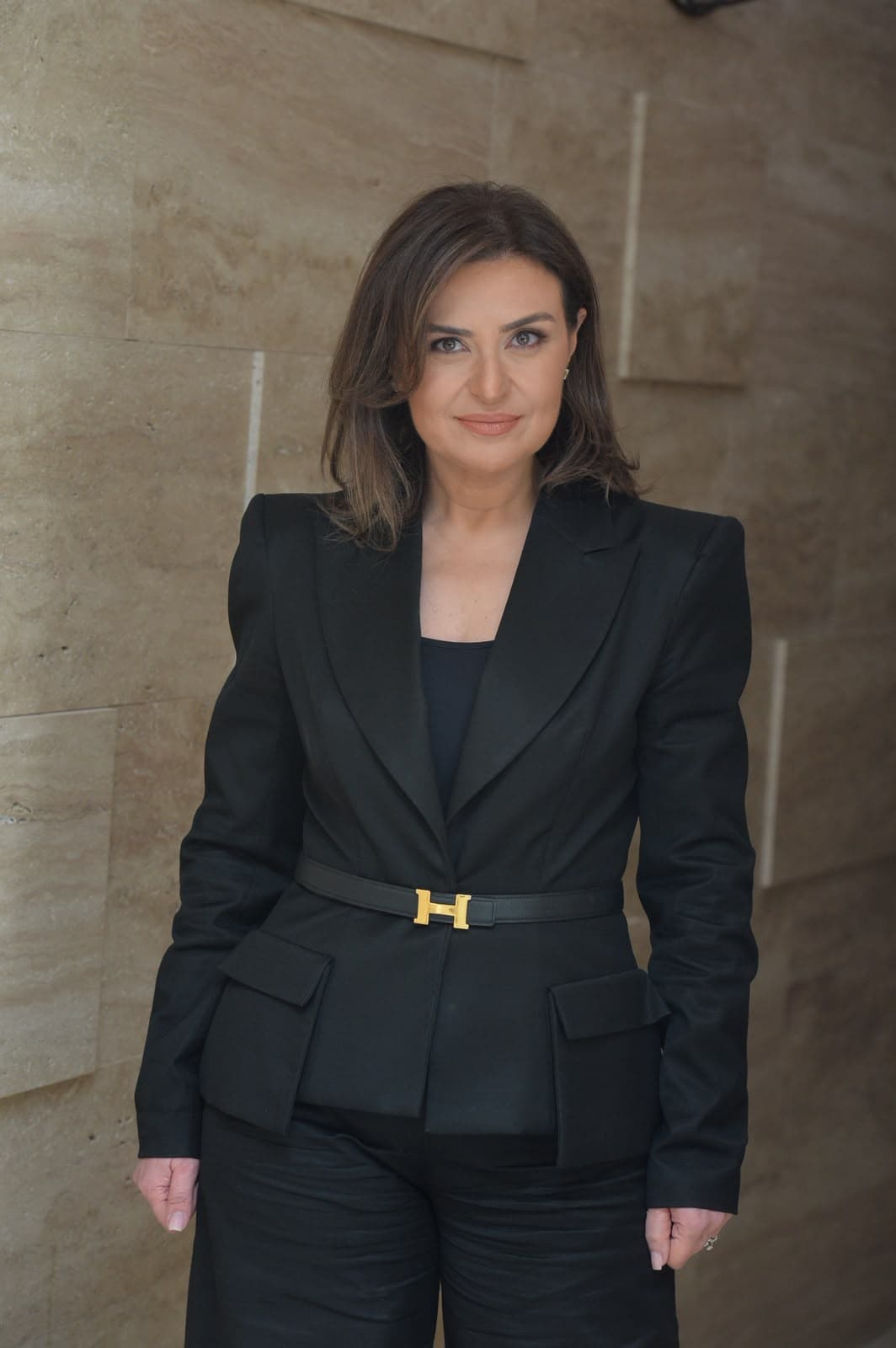
Hala Achkar Slaiby spent close to twenty years inside Tier 1 consulting firms. Again and again she saw the same gap: scaling firms and family businesses could not get that level of advice at a pace and a scale that worked for them. So she built People & Co, a firm that puts senior advisors in the room and leaves behind a structure the team can actually run on.
In this interview, the founder and managing partner talks about decision speed, letting go without losing the culture, and why the real work of organisational design is one third design and two thirds helping people through change.
Contents10 questions
Q.01A better way to advise
You spent years advising major organisations before building People & Co. What did you see from inside the consulting world that made you think, “There’s a better way to do this”?
I spent close to twenty years in Tier 1 consulting firms. I learned a lot there. But I kept seeing the same gap: scaling firms and family businesses could not access that level of advice at a pace and a scale that worked for them.
And I knew I could change that.
Their problem was rarely the strategy, and rarely the people. It was the foundation: the structure that large companies take for granted. Scaling firms often don’t realise that if this foundation does not grow with them, it can break them.
Many consultants just redraw the org chart and expect people to follow. People don’t work like that.
I started People & Co to do it differently: senior advisors in the room, practical tools, and a structure the team can actually run on every day. Not a report for the shelf.
Q.02What breaks first
A company can have a great product and talented people, but still struggle to grow. What usually breaks first inside an organisation, and how can a founder recognise it before it becomes a bigger problem?
Decision speed breaks first. At 20 people, everyone aligns over coffee. At 80, that stops working, and nothing replaces it.
Two signs tell you it has started:
The founder approves everything, from the brand to a small supplier contract, and is tired all the time.
Good, well-paid managers stop deciding. They wait for the founder, because nobody told them what is theirs to decide.
When strong people start acting like spectators, don’t blame them. Look at the structure. I tell every founder: you don’t have a people problem. You have a structure problem.
Q.03From 20 people to 200
When a business grows from 20 employees to 200, the systems that made it successful can start holding it back. What needs to change at that stage, and what should founders resist changing?
What must change is how you run the company. At 20, you manage through relationships and instinct. At 200, you need clear roles and processes, clear decision rights linked to a clear organizational structure, a few key numbers, and a steady rhythm of meetings. You trade the comfort of informality for clarity.
What you must protect is your values and your appetite for smart risk. Many founders think becoming professional means becoming corporate. They bring in heavy processes and kill the energy that built the company. Good structure is a guardrail, not handcuffs.
Good structure is a guardrail, not handcuffs.
Q.04The case for organisational design
For a smaller business, investing in organisational design can feel like a luxury. How would you convince them, and what measurable business outcomes should they look for?
You pay for it either way. Either you invest in it on purpose, or you pay a hidden tax: missed deadlines, good people leaving, a tired founder and a strategy that drifts.
What to measure:
Speed: how long a decision takes to go from idea to action.
Founder time: how much of the CEO’s week goes to firefighting instead of clients, growth and funding.
Keeping your best people: strong performers leave confusion. They stay when their role and results are clear.
For a small business, this is not overhead. It is what lets the same team do more.
Q.05When the founder is the bottleneck
At what point does a founder become the biggest bottleneck in their own business? How can they let go of control without losing the culture, standards or vision that made the company successful?
The day the company can only grow as fast as the founder can reply to messages.
For many founders, the business is not just something they own. It is who they are. So letting go feels like losing part of yourself. That is human, and it deserves respect, not a lecture.
The answer is not to hand over tasks. Hand over outcomes. Be clear on the standards, the limits and the why, and let the team decide the how. You still choose the destination. You just stop driving every kilometer yourself.
You still choose the destination. You just stop driving every kilometer yourself.
Q.06Closing the execution gap
Businesses usually struggle to turn ideas into results. In your experience, how do you design an organisation that closes the gap between strategy and execution?
A strategy is real only when it shows up in three places: in people’s roles, in the weekly calendar and in how people are rewarded.
One owner per priority, with the budget and the authority to decide. Shared ownership usually means no ownership.
A short weekly rhythm built on a few numbers, where problems come up early, not at quarter end.
Reward results, not activity. Not hours, not presentations.
Q.07An assumption, rethought
What is one assumption you once held about how businesses should operate, that you were later forced to rethink?
I started my career in finance, as an analyst, then moved into classic consulting. I believed that if the structure was logical, performance would follow.
I was wrong. You can design the cleanest structure on paper, and the organisation will still reject it if you ignore the power, the loyalties and the fears in the room, including the founder’s. Today I would say the work is one third design and two thirds helping people through the change, linking their performance to relevant rewards.
Q.08Big-firm expertise, made accessible
Large corporations can access established consulting frameworks, but smaller businesses often lack the same resources. How are you making that expertise accessible through People & Co, and how do you scale a personalised service without losing its value?
We bring the same methods, frameworks and standards used with large companies, without the heavy machinery. No long discovery phase. No team of junior analysts adding to the bill. We work at the client’s pace, and we treat their internal data with full confidentiality.
We scale by turning our methods into ready tools: diagnostics, governance templates and role frameworks. The tools carry the method. The senior advisor brings the judgement. That is how it stays personal.
For founders not ready for a full engagement, we are launching Scale Without Collapse, a programme that gives them the same tools in a lighter format.
The tools carry the method. The senior advisor brings the judgement.
Q.09What AI can and cannot solve
With AI changing how businesses operate, which organisational problems do you think technology can genuinely solve, and which ones will still come down to human behaviour, leadership and culture?
AI can take away a lot of busywork: summarising information, routine workflows, data analysis and standard processes. That is good news.
What stays human is trust, judgement when things are unclear, and alignment. AI cannot settle a disagreement between two co-founders. It cannot convince a leader to share power. It cannot get a tired team through a crisis. Culture is built between people, and that will not change.
Culture is built between people, and that will not change.
Q.10The checklist
GC·0001According to you, what are three changes that a founder could make this month to build a better-run organisation?
Remove yourself from three things.
Look at your calendar. Find three meetings or approvals you attend out of habit, and hand them fully to someone on your team.
Clarify decision rights on your top five priorities.
Write down who decides, who does the work and who just needs to know.
Hold a 15-minute weekly check-in
with your leadership team and ask one question: “What is slowing your team down this week?” Then fix one thing.
The interviewee
GC·0001About Hala Achkar Slaiby
Founder and Managing Partner, People & CoOrganizational Designer
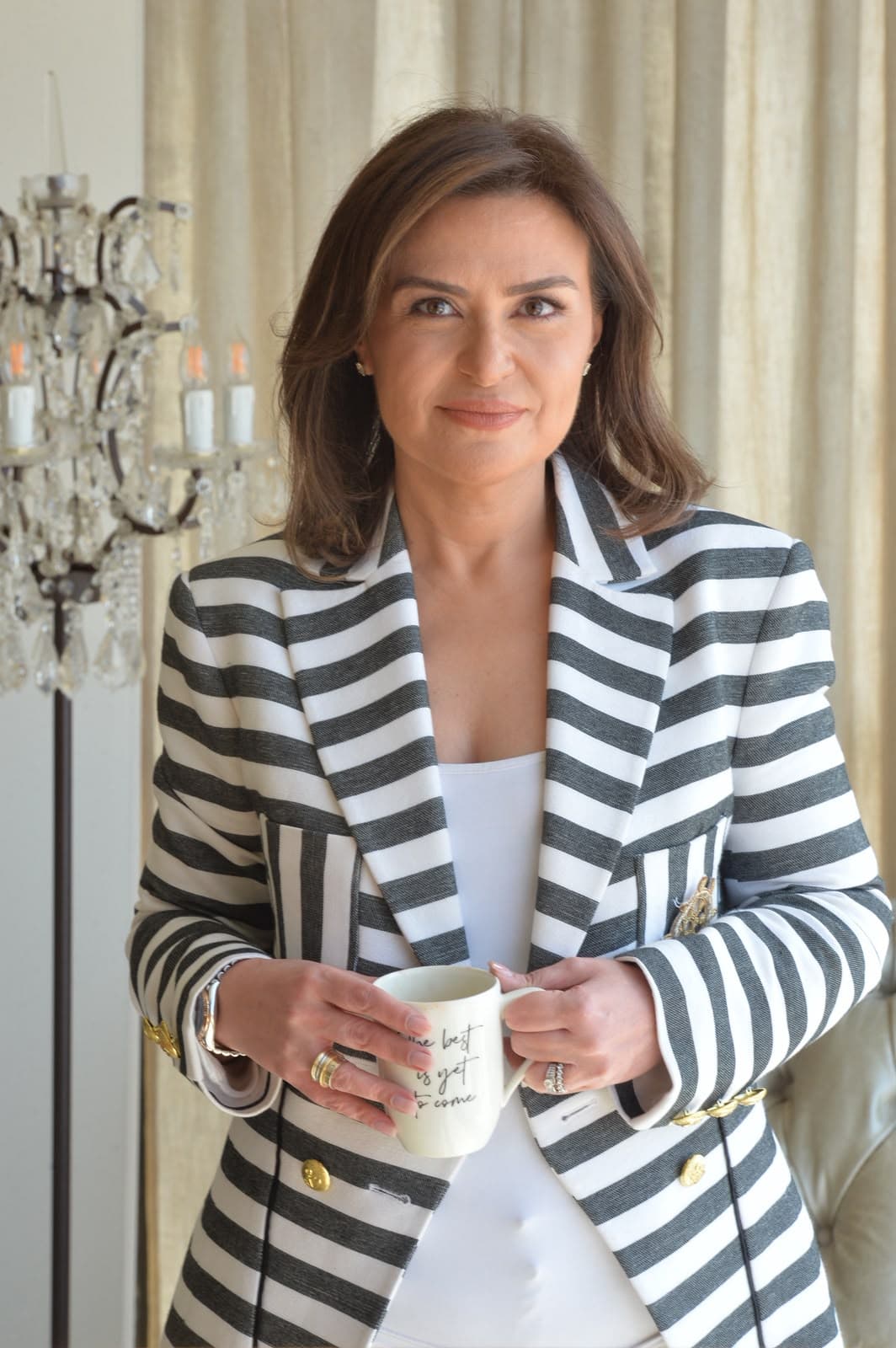
Hala Achkar Slaiby is the Founder and Managing Partner of People & Co. She started her career in finance as an analyst, then spent close to twenty years in Tier 1 consulting firms.
People & Co brings the methods, frameworks and standards used with large companies to scaling firms and family businesses, with senior advisors in the room. For founders not ready for a full engagement, the firm is launching Scale Without Collapse, a programme that delivers the same tools in a lighter format.